Sewage Smell in the Yard or Basement? Where It's Coming From
Quick Answer: A sewage smell outside usually traces back to the septic system or a cracked sewer line leaking into the soil, while the same smell indoors is more often a dry trap, a failing wax ring, or a blocked vent letting gas back into the house. The two problems rarely share a cause. Where the smell is strongest, and how it behaves with weather and time, tells you which one you're dealing with.
You catch it before you're halfway across the lawn, a sour smell hanging over one patch of grass that wasn't there last week. Or it's not outside at all. It's in the basement, faint most days, stronger near the floor drain you haven't thought about since you moved in. Either way, the instinct is the same: something's wrong somewhere in the plumbing, and you'd like to know where before you start digging up the yard or tearing out a wall. Here's the useful part. A sewage smell almost always points to a specific cause. Reading the location right saves you from chasing the wrong one.
When the Smell Is Coming From the Yard
An outdoor sewage smell means wastewater is escaping somewhere between the house and either the septic system or the municipal line. In mid-Michigan, with its clay soil and its share of homes built decades ago, that usually comes down to a handful of culprits.
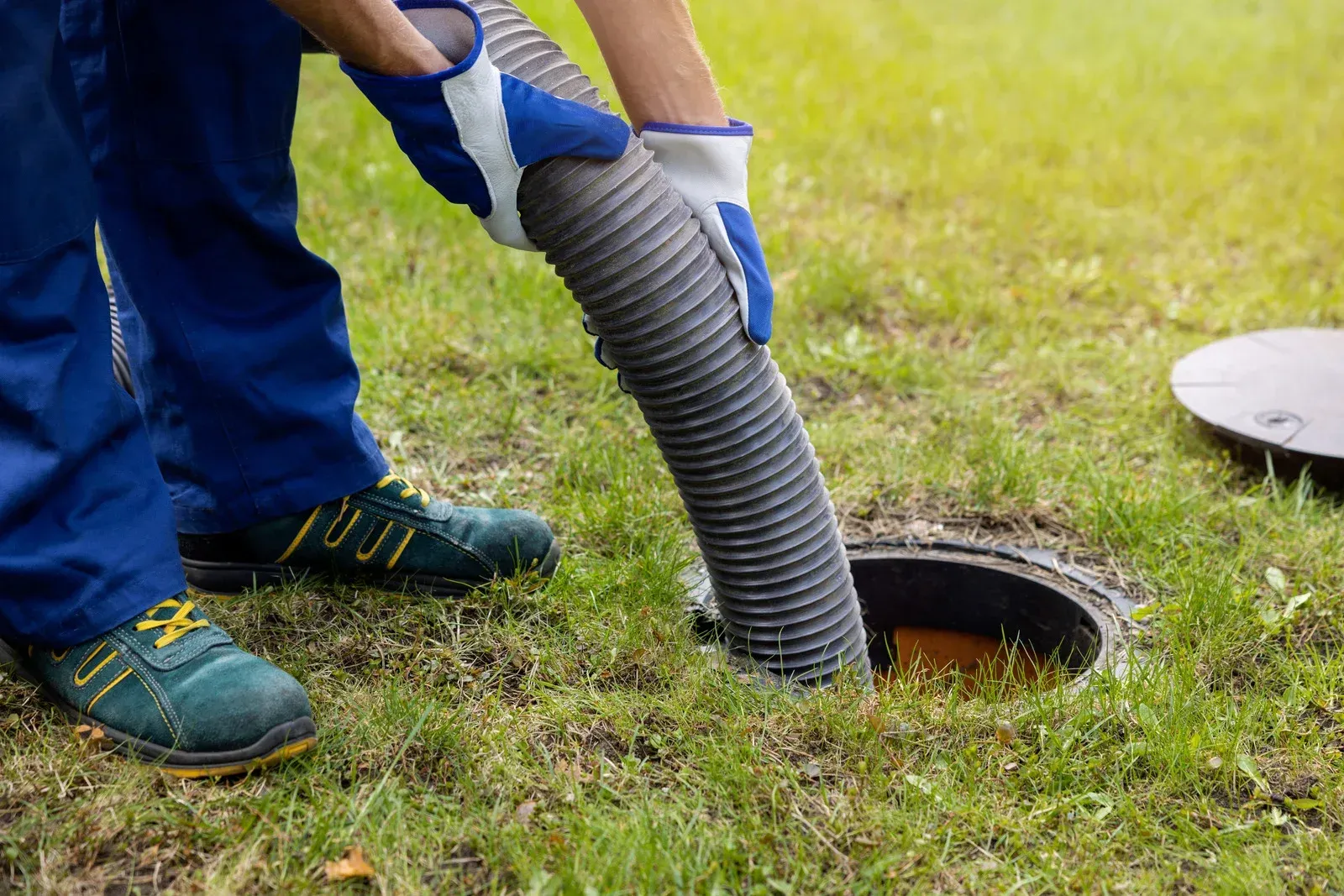
Cast iron and clay pipe were the standard for years, and both take a beating from freeze-thaw cycles that shift soil and open joints a little more each winter. A crack or a separated joint lets wastewater seep straight into the ground instead of reaching the tank or the street, and the smell tends to sit over the exact stretch of yard above the break rather than drifting evenly across the property. If your home runs on a septic system, an outdoor odor is also one of the more reliable early warnings that the tank or the drain field isn't keeping up. A full tank, a clogged distribution box, or a saturated field can all push effluent closer to the surface than it should be, and that usually shows up alongside ground that feels soft or spongy underfoot.
Two smaller culprits are worth ruling out before assuming the worst. Every sewer line has a cleanout, an access point capped at or near ground level, and a cap that's cracked, missing, or was never seated right lets gas vent straight into the yard instead of staying in the pipe. And that same freeze-thaw cycle that cracks pipe can also settle or heave the soil around it, tilting a section of line just enough that it loses its slope. A line that's lost its pitch holds wastewater instead of draining it, and standing wastewater smells exactly like what it is.
When the Smell Is Coming From the Basement
Indoors, the cause is almost always mechanical. Something that's supposed to seal sewer gas out of the house has stopped doing its job.
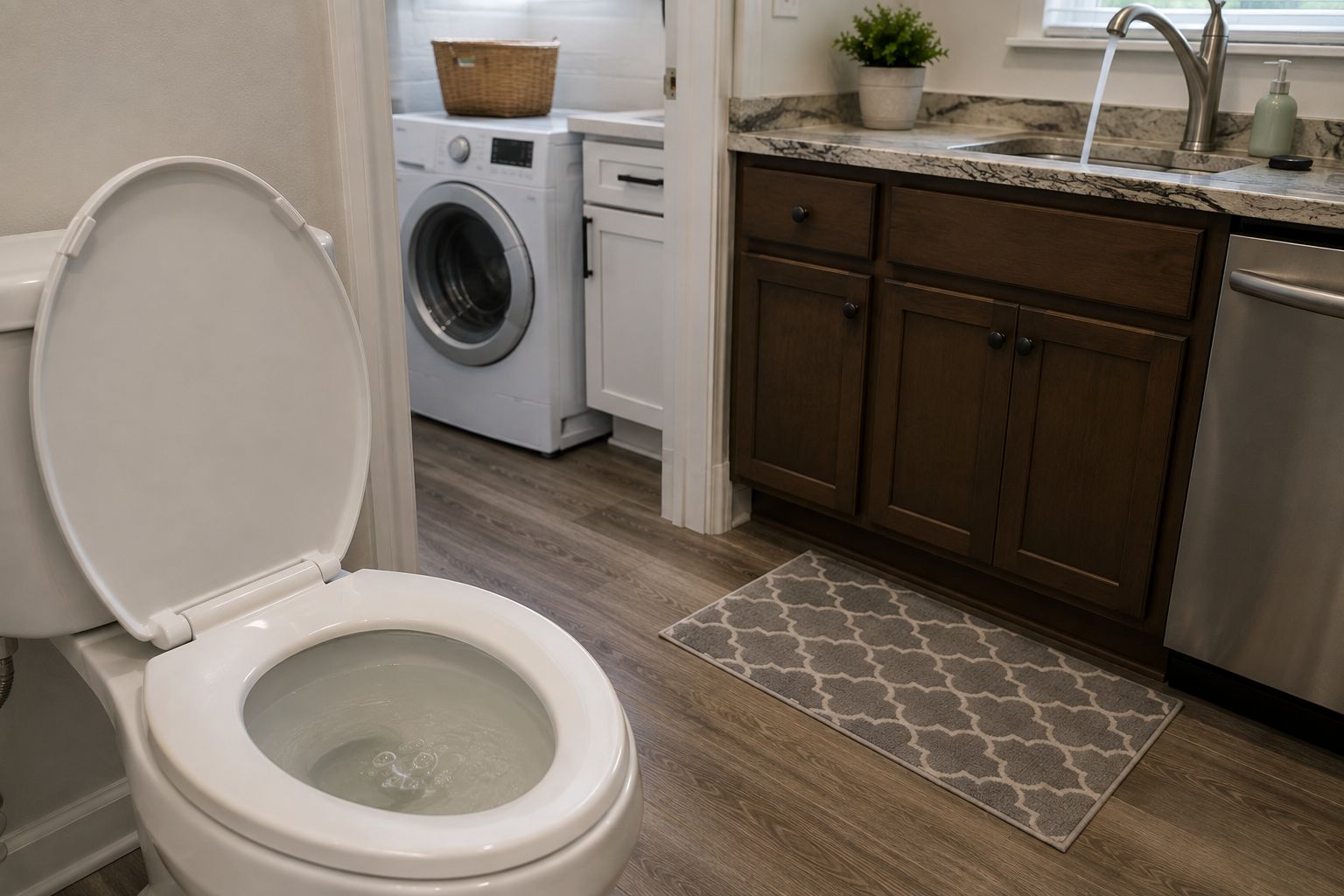
The most common one, by a wide margin, is a dry trap. Every drain, floor drains, laundry standpipes, that guest bathroom nobody uses, keeps a small reservoir of water sitting in its trap specifically to block gas from traveling back up the pipe. Go a few weeks without running water through one of those drains, especially in a basement running a dehumidifier or a furnace, and that water evaporates. Once the trap runs dry, there's nothing left holding the smell back. A worn or poorly seated wax ring under a toilet does something similar. That ring forms the seal between the toilet base and the drain pipe below it, and a ring that's aged or shifted, even slightly, when the toilet rocked, lets gas leak up around the base instead of staying sealed in the line. It's usually a faint, persistent smell right at floor level rather than a strong blast.
A blocked or iced vent stack causes the same kind of leak from a different direction. The vent that runs from your drain system up through the roof keeps air pressure balanced so water drains cleanly and gas escapes outside instead of indoors. Cap that vent with debris, a bird's nest, or a Michigan winter's worth of ice, and gas finds another way out, sometimes with a gurgle at a nearby fixture as the system fights for air. Less common, but it happens in older homes especially where a line has settled, is a cracked drain pipe under the slab or behind a wall. Unlike a dry trap, that kind of leak doesn't clear up on its own. It tends to get worse, not better.
How to Narrow It Down
Before you assume the worst, walk through what the smell is actually doing. A few patterns separate a five-minute fix from something that needs a professional look.
Start with timing. A smell that shows up after the house sits empty for a few days, then fades once someone's home running water regularly, points toward a dry trap rather than a structural problem. A cracked line or a struggling septic system tends to be more consistent, or to creep worse over weeks rather than come and go. Weather matters too. An outdoor smell that gets noticeably stronger after rain is a strong signal pointing toward the septic system or a shallow leak, since saturated ground pushes trapped odor to the surface faster and gives an already-stressed septic system less room to work with.
Pay attention to what else the plumbing is doing. A sewage smell paired with slow drains, gurgling, or water backing up somewhere in the house usually means the problem runs deeper than a single dry trap. An isolated smell with no drainage trouble anywhere else is more often a localized seal problem you can fix in an afternoon. Outdoors, walk the spot where the smell is worst. Softer ground, grass that's suspiciously greener or growing faster than the rest of the lawn, or standing water that wasn't there last month all point to one specific failure point rather than a system-wide issue.
Tip: Before calling anyone, run water in every drain in the house you don't use often, floor drains, a guest bathroom sink, a laundry tub that only sees action once a month. If the basement smell fades within a day of doing that, a dry trap was very likely the whole story.
Why This Isn't Just an Unpleasant Smell
Sewer gas is more than a nuisance because of what's actually in it. The mix includes hydrogen sulfide, which is what produces that rotten-egg smell even in tiny amounts, along with methane. At low concentrations, hydrogen sulfide mainly irritates the eyes, nose, and throat, and can bring on a headache or a wave of nausea with longer exposure. Methane is flammable, and in a confined space it can displace enough oxygen to matter. That's a bigger deal in a basement than in open air, where the gas breaks up and disperses fast.
None of that turns an occasional whiff into a household emergency. But a smell that's strong, sticking around, or getting worse indoors isn't something to just live with while you get around to it eventually.
Warning: If a sewage smell is strong, isn't fading with ventilation, or shows up alongside dizziness or a headache in the room, treat it as more than an odor problem. Open windows, skip running the furnace or anything with a pilot light nearby, and get the source identified rather than trying to mask it with a candle.
When to Call a Plumber and When It's Minor
A dry trap is a real do-it-yourself fix. Pour a quart of water down the affected drain, add a little mineral oil on top if it's one you rarely use, and that seal will usually hold for weeks or months. A toilet that's letting a wax ring fail is worth having checked soon too, though it's rarely an emergency in the first day or two.
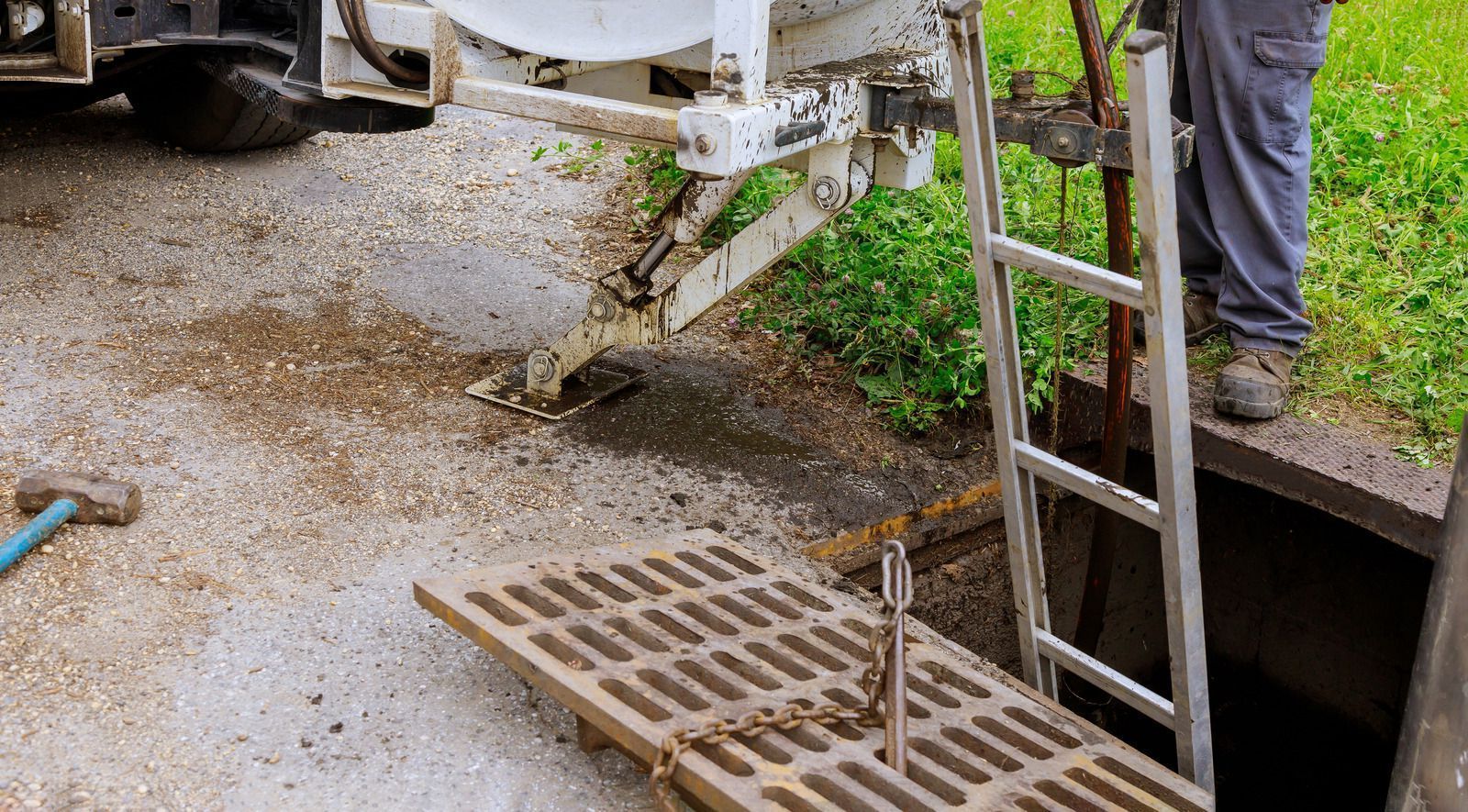
What isn't minor is a yard smell that keeps getting stronger, especially paired with soft or wet ground, standing effluent, or an odor that spikes after every rain. Either points to a septic system that's struggling or a line that's actively leaking into the soil, and both get more expensive the longer they sit. The same goes for a basement smell that won't quit after you've checked every drain for dryness, or one that shows up alongside slow drains or gurgling elsewhere in the house. At that point the problem is underground or behind a wall, and a camera inspection is what finds the actual break instead of guessing at it.
Frequently Asked Questions
Does a sewage smell in the yard always mean my septic tank is full?
Not always, though it's a common cause, especially when the smell worsens after heavy water use or rain. A clogged distribution box or saturated drain field can produce the identical odor with tank capacity remaining.
Why does the smell get stronger after it rains?
Saturated soil holds odor closer to the surface and leaves a septic system or leaking line with less room to work. If dry weather fades the smell and rain returns it, that pattern helps diagnosis.
Could a sewage leak in my yard reach my well water?
It's possible if the leak sits close enough to the well and the soil lets it travel, which is exactly why a persistent outdoor sewage smell near a well shouldn't wait. Get it checked soon.
Is it safe to keep using water in the house while I figure out a basement smell?
Usually yes, if the smell is mild and other drains run fine. If drains are backing up or draining slowly, cutting back on water use, laundry and dishwashing especially, until it's diagnosed is much safer.
My basement only smells like sewage sometimes. What does that mean?
Intermittent odor, especially after the house sat empty or a drain went unused, points strongly toward a dry trap rather than a structural problem. A smell becoming more constant over time suggests more than evaporation.
Can a floor drain cause this even though I never use it?
Yes, and it's a common culprit precisely because nobody thinks to check it. A floor drain that never sees water has nothing stopping its trap from drying out, leaving a direct, open path for gas.
My basement smells like sewage and a nearby drain has started gurgling too. Are those related?
They can be. Gurgling alongside a sewage smell often points to one root cause, most often a vent that isn't working, and it's worth mentioning both symptoms together when describing the problem to a plumber.
Does a sewage smell in the yard mean I need a whole new septic system?
Not necessarily. Plenty of septic odor problems trace back to a tank needing pumping, a clogged component, or a drain field temporarily overloaded rather than failed. Full replacement is a last resort after smaller fixes.
Tracing the Smell Back to Its Real Source
A sewage smell rarely arrives without a story attached, and where it settles tells you most of what you need to know before anyone picks up a shovel. An outdoor odor points toward the septic system or a cracked line leaking into the soil, while an indoor one usually traces back to a dry trap or a failing seal. Match the location to the likely cause, and you have already done the hard part of narrowing things down.
Some of these problems clear up with a quart of water down a forgotten drain, and others sit underground where guessing only wastes money. Serving Columbiaville and Otisville, MI, Sinks & Sewers LLC
has spent 20
years tracing odors back to the trap, vent, line, or septic component actually at fault. Knowing which smells resolve on their own and which point to something structural is what keeps a minor annoyance from quietly becoming a much larger repair.