Septic Tank Backing Up or Pooling in the Yard? Early Warning Signs
Quick Answer: Septic trouble rarely arrives all at once. It usually starts with slow drains, gurgling pipes, a sewage smell near the tank, or a soft, unusually green patch over the drain field. Water pooling in the yard or backing up into the house means the tank or field is no longer handling the load. Cut back on water use, keep vehicles off the area, and have the system inspected before a small problem turns into a failed field.
You walk out to get the mail after a few days of rain and the ground near the back corner of the house squishes under your boots. The grass there is a deeper green than the rest of the lawn, and there's a faint sour smell you can't quite place. Inside, the washing machine drains a little slower than it used to, and the downstairs toilet gurgled yesterday when someone ran the shower. None of it feels like an emergency on its own. Put together, it's your septic system telling you something.
Most septic failures give plenty of notice. The trouble is that the early signs look like ordinary household annoyances, so they get ignored until sewage is sitting on the surface or coming up through a basement floor drain. This guide walks through what those early signs look like, what is usually behind them, and what to do in the first day or two.
What a Healthy Septic System Does
A septic system is a small treatment plant buried in your yard. Wastewater leaves the house and flows into the tank, where solids settle to the bottom, grease and light material float to the top, and the liquid in the middle moves on toward the drain field. The drain field is a network of perforated pipes set in gravel and soil. The liquid seeps out slowly, and the soil does the final cleaning before the water reaches the ground below.
Every part of that chain depends on the next. If the tank fills with too much sludge, solids slip out toward the field and clog the soil. If the field is clogged or saturated, the liquid has nowhere to go and starts backing toward the tank, then toward the house. That is why a warning sign in one place, like a gurgling toilet, can trace back to a problem a hundred feet away in the yard.
Warning Signs Inside the House
The first signs often show up indoors, and they tend to affect the whole house rather than a single drain.
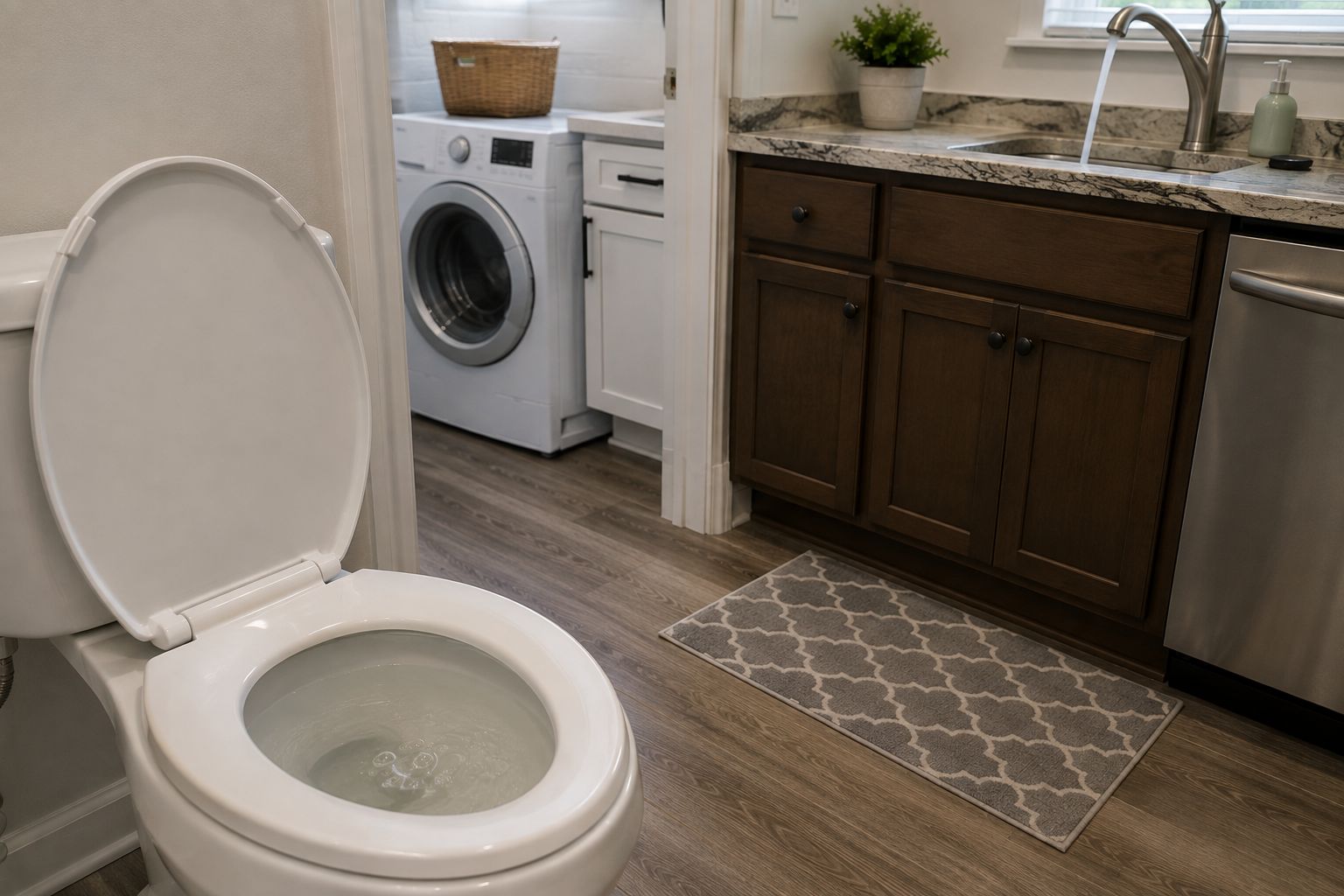
Slow drains in several fixtures at once are the classic early signal. A single sluggish sink is usually a local clog. When the tub, the kitchen sink, and the washing machine all slow down together, the issue is further down the line. Gurgling is a close cousin. Air that cannot move freely through a full tank or a saturated field gets pushed back through the nearest drain, and it shows up as bubbling in a toilet or sink when you run water somewhere else.
Backups are the unmistakable sign. Wastewater coming up in the lowest drain in the house, usually a basement floor drain, a shower, or a tub, means the system can no longer take in what the house is sending it. Toilets that flush weakly or need repeated tries, and sewage odor indoors that has no clear source, belong on the same list.
Pay attention to patterns. If symptoms get worse after laundry day, after a long shower, or after guests stay over, the system is being overloaded at the margin. That is useful information for whoever inspects it.
Warning Signs Out in the Yard
The yard often shows trouble before the house does, and it is the part most people never look at.
Soggy or spongy ground over the tank or drain field, even when it has not rained, means liquid is surfacing instead of soaking in. Standing water or pooling in that area is worse. A patch of grass that is greener, thicker, and faster growing than the lawn around it is another giveaway. Effluent carries nutrients, and the grass above a leaking or overloaded field gets fertilized all season long.
Smell matters too. A sewage odor that hangs over the tank, the lid area, or the drain field means gas and liquid are escaping where they should not be. Many homeowners notice it most in the evening or after rain, when the air is heavy and the soil is already wet.
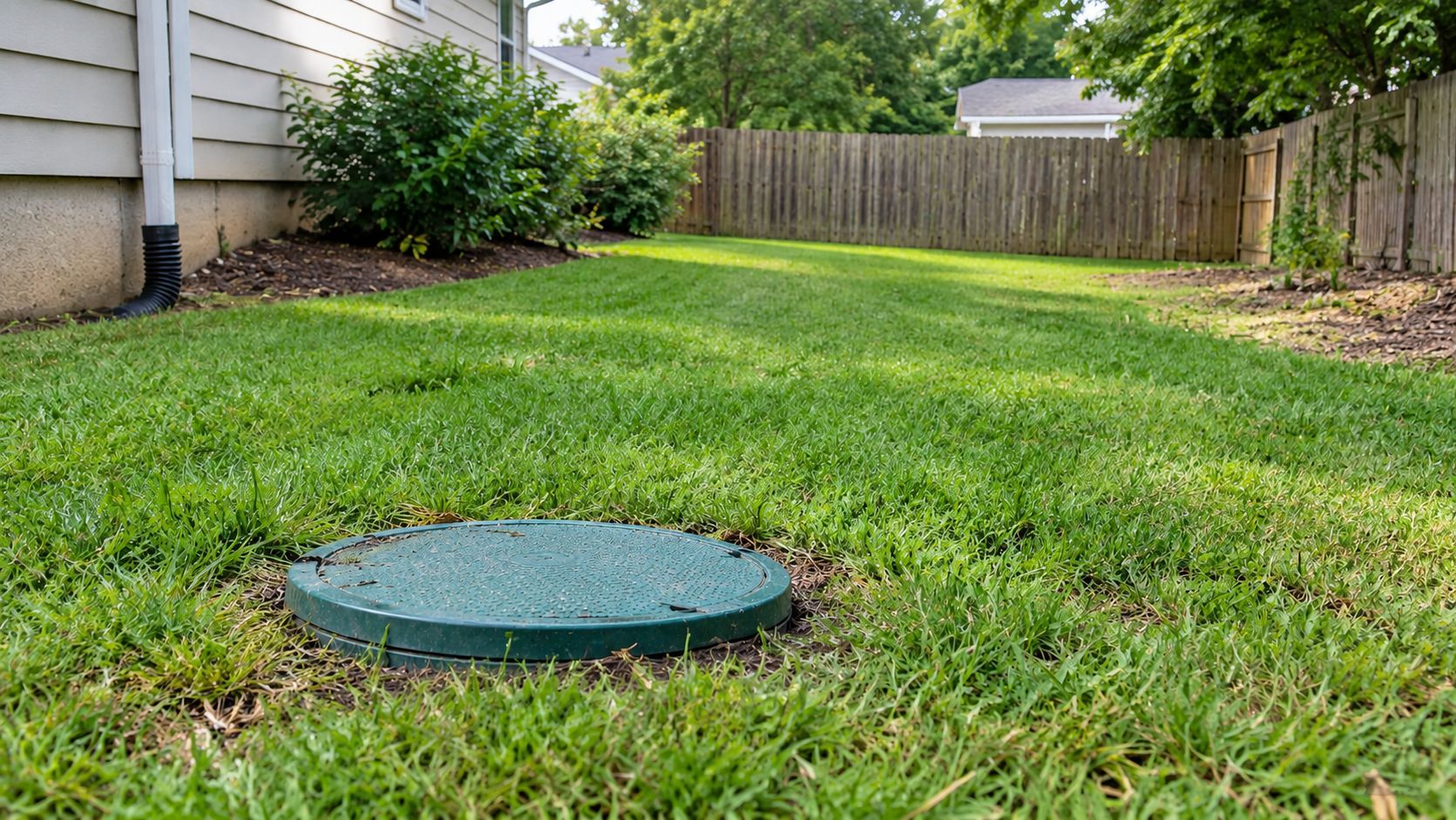
Also watch for sunken spots, exposed pipe, or damp ground around the tank lid. In Michigan, where winters push frost deep into the ground and clay soil holds water long after a storm, settling and shifting around buried components is common. A depression over the tank or a lid that has tilted can point to a structural problem as well as a drainage one.
Finally, check the surface for any visible sewage. If you can see or smell untreated wastewater on top of the ground, the system has already failed in a way that needs prompt attention.
Tip: Keep a simple log for two weeks. Note which fixtures drain slowly, when the yard feels wet, and how much laundry or water use happened the day before. Patterns like symptoms that spike after heavy water days or after a rainstorm help an inspector narrow the cause quickly.
Why Septic Systems Start Backing Up
Behind most warning signs is one of a handful of causes, and knowing which is likely helps you decide what to do next.
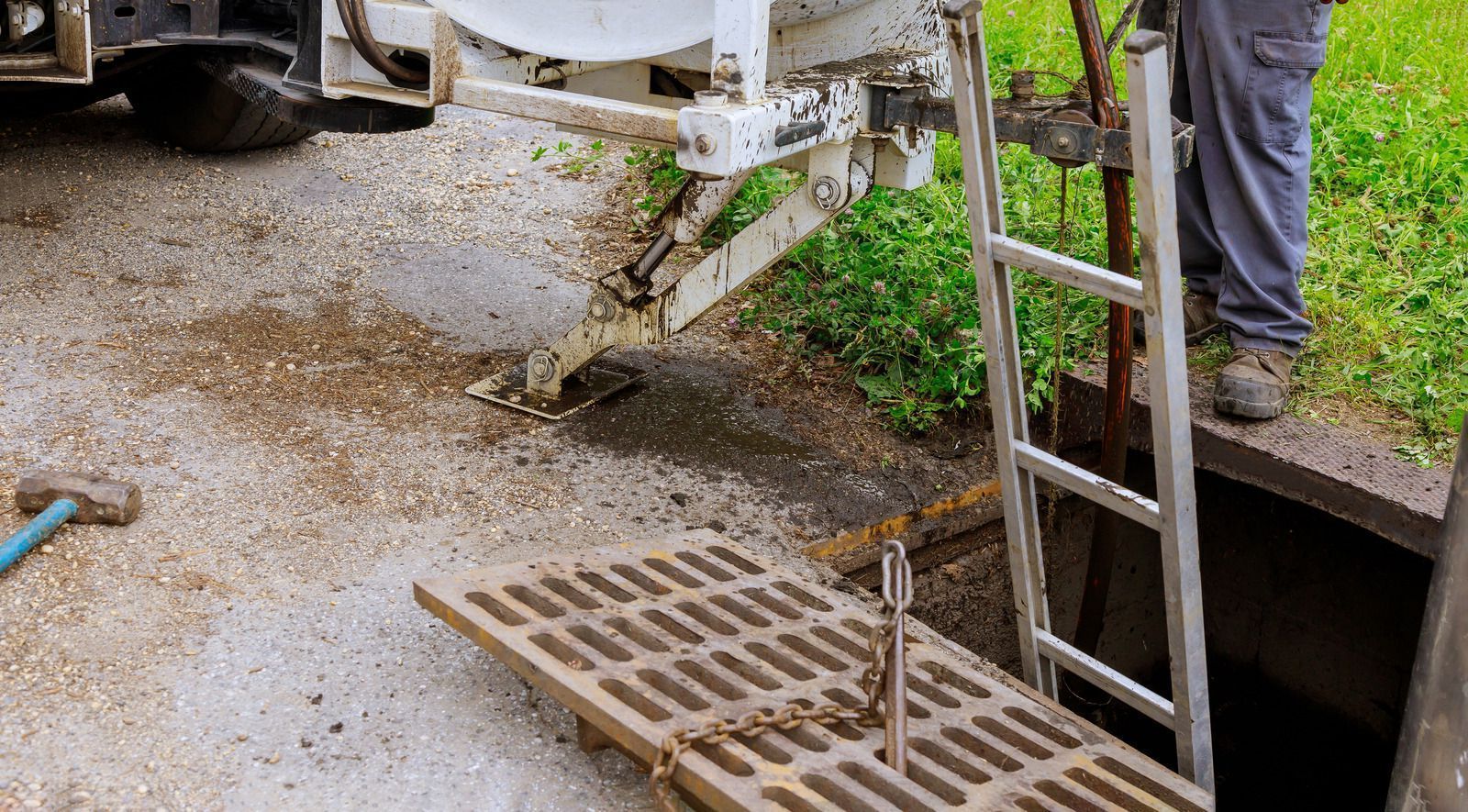
A tank that is overdue for pumping is the most common. Solids build up over the years. When the sludge layer gets deep enough, there is less room for wastewater to rest and separate, and partially treated liquid pushes out toward the field. Pumping about every three to five years is the usual guidance, though a larger household or a smaller tank shortens that window.
A clogged or failing drain field is the second big cause. Over time, a slick layer of biological material forms where the liquid meets the soil. Grease, wipes, and excess solids speed that up. Once the soil can no longer absorb liquid as fast as it arrives, the field saturates and the system backs up. In heavy clay, which is common across this part of the state, absorption is slower to begin with, so a field has less margin for error.
Other causes are easier to miss. A cracked or collapsed pipe between the house and tank, a damaged or blocked baffle or outlet, and a clogged distribution box can each produce the same symptoms as a failing field. Tree roots are another frequent culprit. Roots hunt for water and nutrients, and a drain line or field gives them both. Once they get inside a pipe, they grow into a dense mat that blocks flow.
Excess water is the last common cause. A leaking toilet, a dripping fixture, a sump pump discharging near the field, or a run of heavy spring rain can overwhelm a system that works fine under normal loads.
Warning: If sewage is surfacing in the yard or backing up inside the house, stop using water until the system is checked. Do not run the washing machine, dishwasher, or long showers. Keep children and pets away from wet ground over the tank or field, and avoid contact with any standing wastewater.
What to Do in the First 24 Hours
When you see more than one warning sign, a short, calm plan keeps a bad situation from getting worse.
Start by reducing water use right away. Spread laundry across several days, skip the dishwasher, and shorten showers. Every gallon you keep out of the system gives the tank and field a chance to catch up.
Next, keep weight and digging off the area. Vehicles, mowers, and heavy equipment compress the soil over the drain field and can crush pipes. Do not dig into the ground to look for the problem yourself. Opening a tank or a field without the right equipment and training is dangerous, since tank gases can be harmful and lids can fail.
Then locate your records if you have them. Knowing where the tank is, its size, and the last time it was pumped saves time when an inspector arrives. If you do not know where your tank sits, a professional can find it with a locator before any work starts.
Skip the additives. Products sold to revive a failing tank rarely fix a structural or saturation problem, and they can mask symptoms long enough for damage to spread. A proper inspection finds the actual cause, whether that is a full tank, a blocked outlet, a damaged pipe, or a field that has reached the end of its life.
Finally, if your home uses a private well, pay extra attention. A system that is leaking untreated wastewater near a well is a health concern, and well water should be tested if you suspect a problem.
What an Inspection Looks For
A good septic inspection is more than lifting a lid and glancing in. The inspector checks the liquid level and sludge depth, looks at the baffles and outlet, and confirms that liquid is moving where it should. They also probe the area over the field for saturation and look for signs of surfacing or odor.
When the cause is not obvious, a camera on the line between the house and tank shows cracks, offsets, root intrusion, or a belly where water pools instead of flowing. That kind of look inside the pipe takes the guesswork out of the diagnosis, and it often reveals that the issue is a pipe, not the tank or the field.
Sometimes the answer is simple, like a tank that needs pumping or a clogged outlet that can be cleared. Other times the findings point to repairs that involve excavation, such as replacing a damaged line, a distribution box, or sections of the field. The earlier the signs are caught, the more options you have and the less area has to be disturbed.
Habits That Keep the Warning Signs Away
Prevention is mostly about protecting the tank and the soil. Only wastewater and toilet paper should go down the toilet. Wipes labeled flushable, feminine products, floss, cat litter, and cigarette butts do not break down in a tank, and they collect in the places that cause backups. Keep grease, coffee grounds, and food scraps out of the kitchen drain.
Spread laundry loads across the week instead of washing everything in one day. Fix dripping faucets and running toilets quickly, since a steady trickle can saturate a field over time. Direct roof gutters and sump pump discharge away from the drain field so rainwater does not compete with household wastewater for the same soil.
Keep the area clear. Do not park or drive on the field, avoid planting trees close to the tank or lines, and keep deep rooted shrubs away. Plan on having the tank inspected regularly and pumped when it needs it, based on the inspector's measurement of sludge depth instead of a guess.
Frequently Asked Questions
How do I know if my septic tank is full or if the drain field is the problem?
A full tank usually causes slow drains and backups that improve right after pumping. A drain field problem shows in the yard first and returns even after pumping. An inspection sorts the two out.
Is water pooling over the septic area always a sign of failure?
Not always. Heavy rain and a high water table can leave any yard wet for days. Pooling that lingers in dry weather, smells like sewage, or brings a strong green patch deserves a prompt inspection.
Can I keep using the toilets and sinks if the septic is backing up?
Use as little water as you can until the cause is found. Continuing normal use pushes more liquid into a system that cannot absorb it, risking backups inside or surfacing in the yard outside.
Why does my septic system act up more in spring?
Snowmelt and spring rain saturate clay soil, so the drain field has less room to absorb effluent. A system near its limit may tip into backups during the thaw. Frost also stresses pipes and covers.
Will pumping the tank fix a septic backup?
Sometimes. If the cause is a tank that is overdue, pumping brings quick relief. If a clogged outlet, damaged pipe, or saturated field is behind it, pumping only buys a little time before symptoms return.
How long can a septic system last before it needs major work?
Well cared for systems can run for decades, depending on soil, water use, and maintenance history. Older systems in heavy clay or with missed pumping tend to need field work sooner. Regular inspections catch wear early.
Small Signs Now Beat Big Surprises Later
A wet patch and a slow drain feel small today, yet they look very different once sewage is sitting in the basement or across the lawn. The early signals, gurgling fixtures, a greener strip of grass, a sour smell near the lid, are the system asking for attention while the fix is still simple. Reading them together, rather than dismissing each as an ordinary household annoyance, is what keeps the repair small and the yard whole through another Michigan season.
Sinks & Sewers LLC
has spent 20
years tracing these signs across Columbiaville and Otisville, MI, and the pattern repeats in clay soil year after year: the problem announces itself long before it surfaces. Finding whether the cause is a full tank, a blocked outlet, a damaged line, or a tired field is what separates a quick pumping from a dug up
drain field. Catching it early keeps the most options open and the surprises out of the lowest drain in the house.