10 Common Plumbing Problems Every Homeowner Should Know
Plumbing is one of the most critical systems in any home, yet it is often overlooked until a problem arises. From leaky faucets to clogged drains, plumbing issues can disrupt daily routines, cause property damage, and lead to costly repairs if not addressed promptly. Homeowners who understand common plumbing problems and how to recognize early warning signs are better equipped to maintain a safe, functional, and efficient home. Awareness and proactive maintenance can save both time and money while ensuring comfort and hygiene for all household members.
In addition to causing inconvenience, plumbing problems can also impact water quality, increase energy consumption, and even pose health risks. For example, untreated leaks can promote mold growth, while faulty water heaters may lead to scalding hazards. By familiarizing yourself with the most frequent plumbing challenges, you can detect issues before they escalate, choose the right professional services when necessary, and implement preventive measures that prolong the lifespan of your plumbing system. This guide explores ten common plumbing problems, providing actionable insights, practical solutions, and expert reasoning to help homeowners manage their plumbing effectively.
1. Leaky Faucets and Fixtures
Signs of a Leak
One of the most frequent plumbing problems is a dripping faucet or fixture. Leaks may seem minor initially, often producing just a slow drip, but over time they can waste hundreds of gallons of water annually. Common signs include visible water accumulation, the sound of dripping, or increased water bills without increased usage.
Causes
Leaky faucets often result from worn-out washers, faulty O-rings, or corrosion in pipes and valves. Hard water deposits can also contribute to leaks by wearing down seals or causing blockages that increase pressure on fixtures.
Solutions and Best Practices
Homeowners can replace washers or O-rings themselves if they are comfortable with basic tools, but persistent leaks usually require a licensed plumber. Regular inspections and cleaning aerators can prevent sediment build-up, reducing the likelihood of leaks. Replacing older fixtures with water-efficient models is another long-term solution that conserves water and reduces costs.
2. Clogged Drains
Vector-Borne Risks
Standing water from sewer backups attracts insects and rodents, which can further spread diseases. Flies, mosquitoes, and rats can carry harmful microorganisms into your home, exacerbating health risks. Regular maintenance ensures that these potential breeding grounds are minimized.
Real-World Scenario
Consider a homeowner who ignores slow drainage in their basement. Over time, minor blockages lead to a significant backup, flooding the area with raw sewage. This not only requires expensive cleanup but also exposes the family to severe health hazards, including bacterial infections and respiratory problems from mold exposure.
Prevention and Maintenance
Regularly using drain screens, avoiding the disposal of grease, and flushing drains with hot water can reduce the risk of clogs. Avoid chemical drain cleaners, as these can erode pipes over time. For stubborn blockages, a professional plumber can use tools like hydro-jetting or mechanical snakes to safely clear pipes without causing damage.
3. Running Toilets
Understanding the Issue
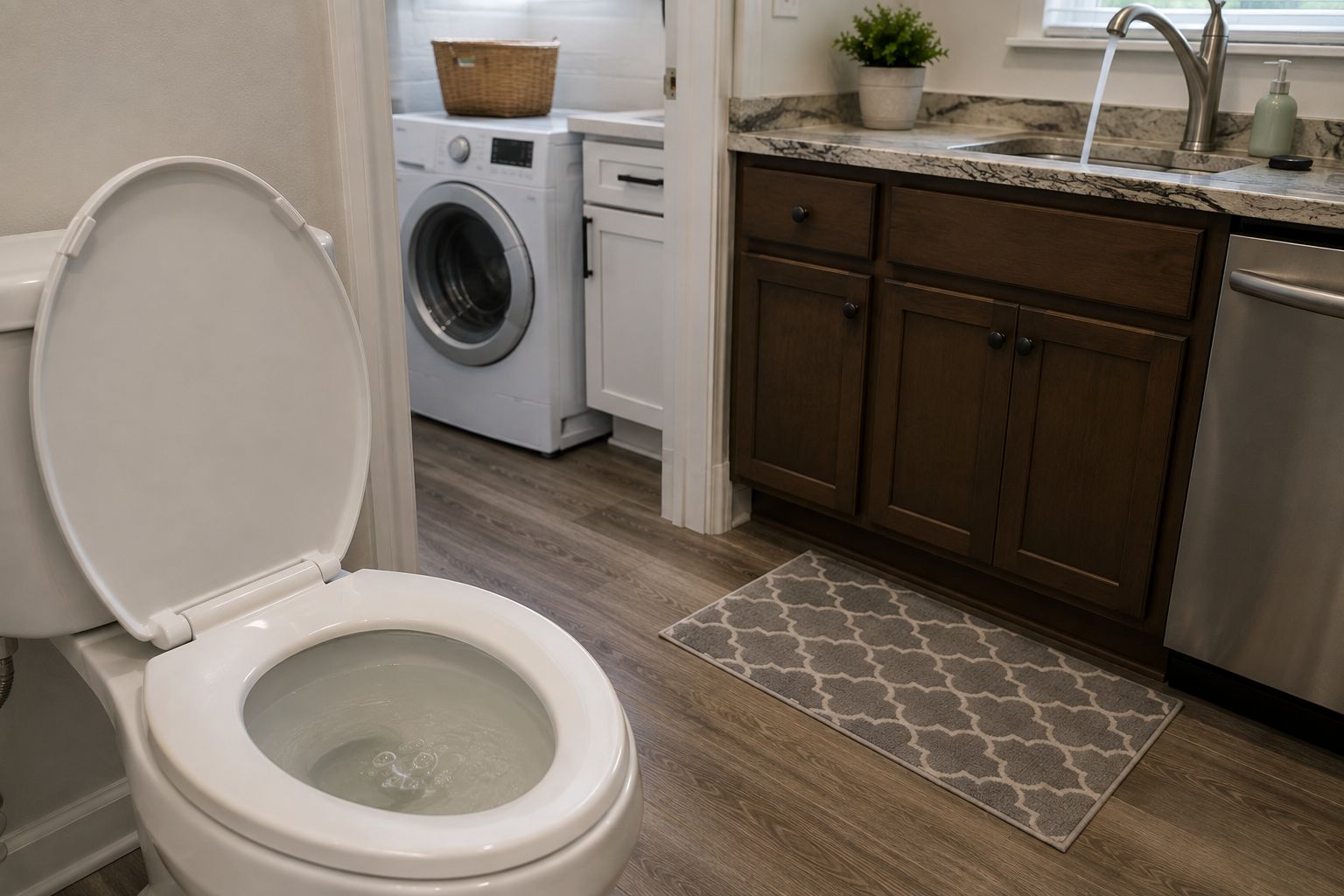
A running toilet can waste up to 200 gallons of water per day, significantly increasing utility bills. The issue typically stems from worn flappers, faulty fill valves, or improper float settings in the toilet tank.
Identifying the Problem
Listen for continuous water flow after flushing or observe the water level in the tank. A simple test is to add food coloring to the tank; if the color seeps into the bowl without flushing, the flapper is likely faulty.
Solutions and Long-Term Benefits
Replacing the flapper or adjusting the float can restore proper function quickly and inexpensively. Upgrading to modern, water-efficient toilets not only resolves recurring running issues but also contributes to sustainability and lower water costs.
4. Water Heater Malfunctions
Common Water Heater Problems
Water heaters are critical for household comfort, but they can develop issues such as insufficient hot water, strange noises, or leaks. Sediment accumulation in the tank can reduce efficiency and cause rumbling or popping sounds, while faulty thermostats can prevent water from reaching the desired temperature.
Signs of Trouble
Indicators include inconsistent water temperature, rust-colored water, and water pooling around the base of the heater. Ignoring these signs can lead to system failure or even water damage.
Maintenance Tips
Flushing the tank annually removes sediment buildup, extending the life of the heater. Inspecting anode rods and testing the temperature-pressure relief valve are also important preventive measures. If a water heater fails entirely, professional replacement ensures safe installation and compliance with building codes.
5. Low Water Pressure
Causes of Low Pressure
Low water pressure affects showers, faucets, and appliances, reducing functionality and convenience. Common causes include pipe corrosion, mineral buildup, leaks, or problems with the municipal water supply.
How to Diagnose
Checking multiple fixtures can determine if the issue is localized or system-wide. A pressure gauge can help identify pressure deficiencies, while visual inspection of pipes may reveal leaks or damage.
Remedies and Expert Recommendations
Clearing aerators, repairing leaks, and replacing corroded pipes can restore proper water flow. Installing a water pressure regulator or booster may also be necessary for homes with municipal pressure limitations. Regular pipe inspections prevent long-term deterioration and costly repairs.
6. Burst Pipes
Understanding the Risk
Burst pipes are a severe plumbing problem that can cause extensive water damage. They often occur in winter due to freezing temperatures, corrosion, or excessive water pressure. Pipes made of older materials like galvanized steel are particularly vulnerable.
Warning Signs
Visible cracks, unusual bulges, or unexplained water puddles are early indicators. A sudden drop in water pressure can also signal a pipe failure.
Prevention and Emergency Measures
Insulating pipes in cold areas, maintaining proper home heating, and monitoring water pressure are preventive steps. In case of a burst pipe, shutting off the main water supply immediately can mitigate damage. Professional plumbing repair ensures proper pipe replacement and system integrity.
7. Sewer Line Problems
Symptoms and Causes
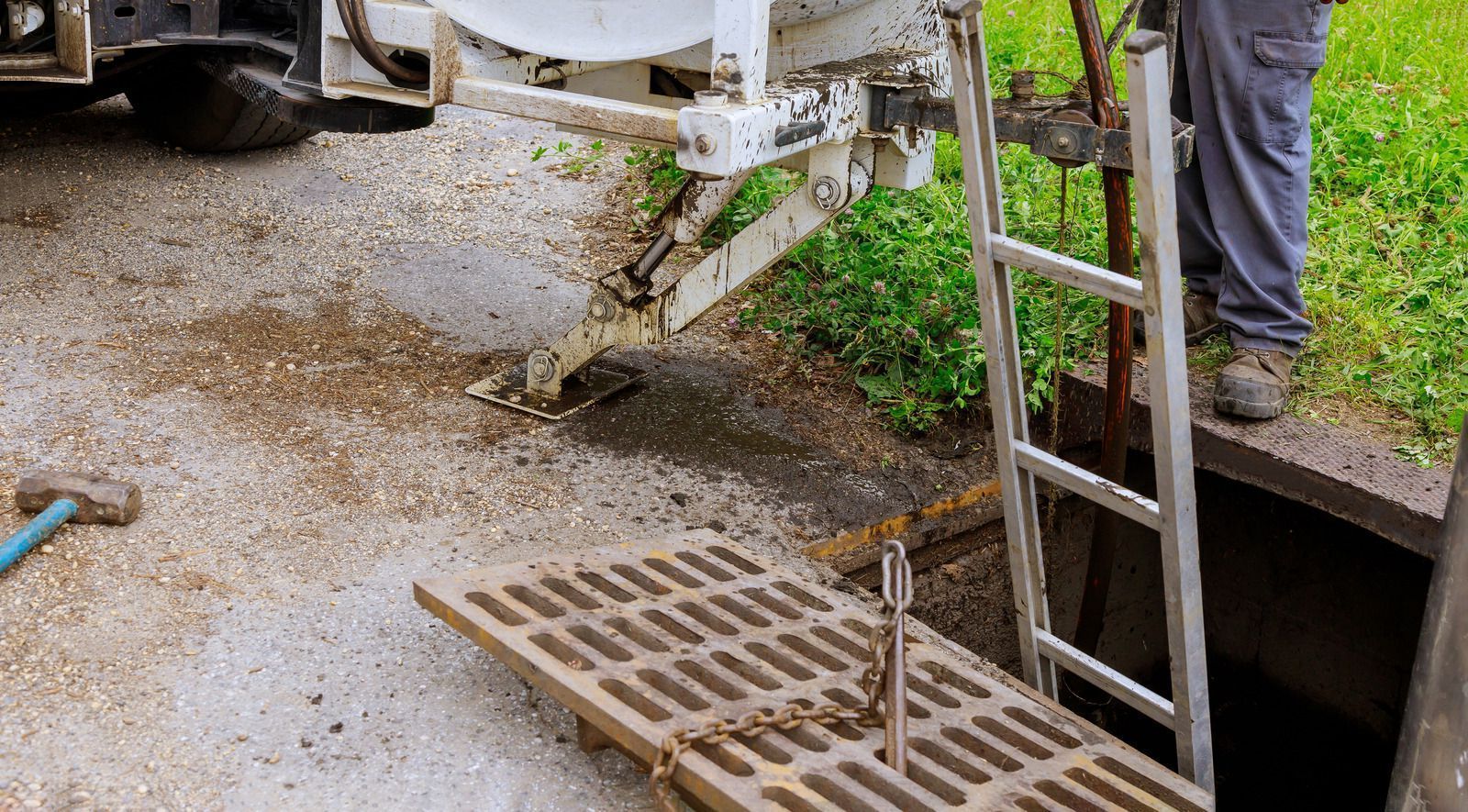
Sewer line issues may manifest as foul odors, slow drains, or sewage backups in toilets and sinks. Common causes include tree root intrusion, pipe collapse, or blockages from foreign objects.
Risks of Neglect
Ignoring sewer line problems can lead to property damage, health hazards from contamination, and expensive emergency repairs.
Solutions and Best Practices
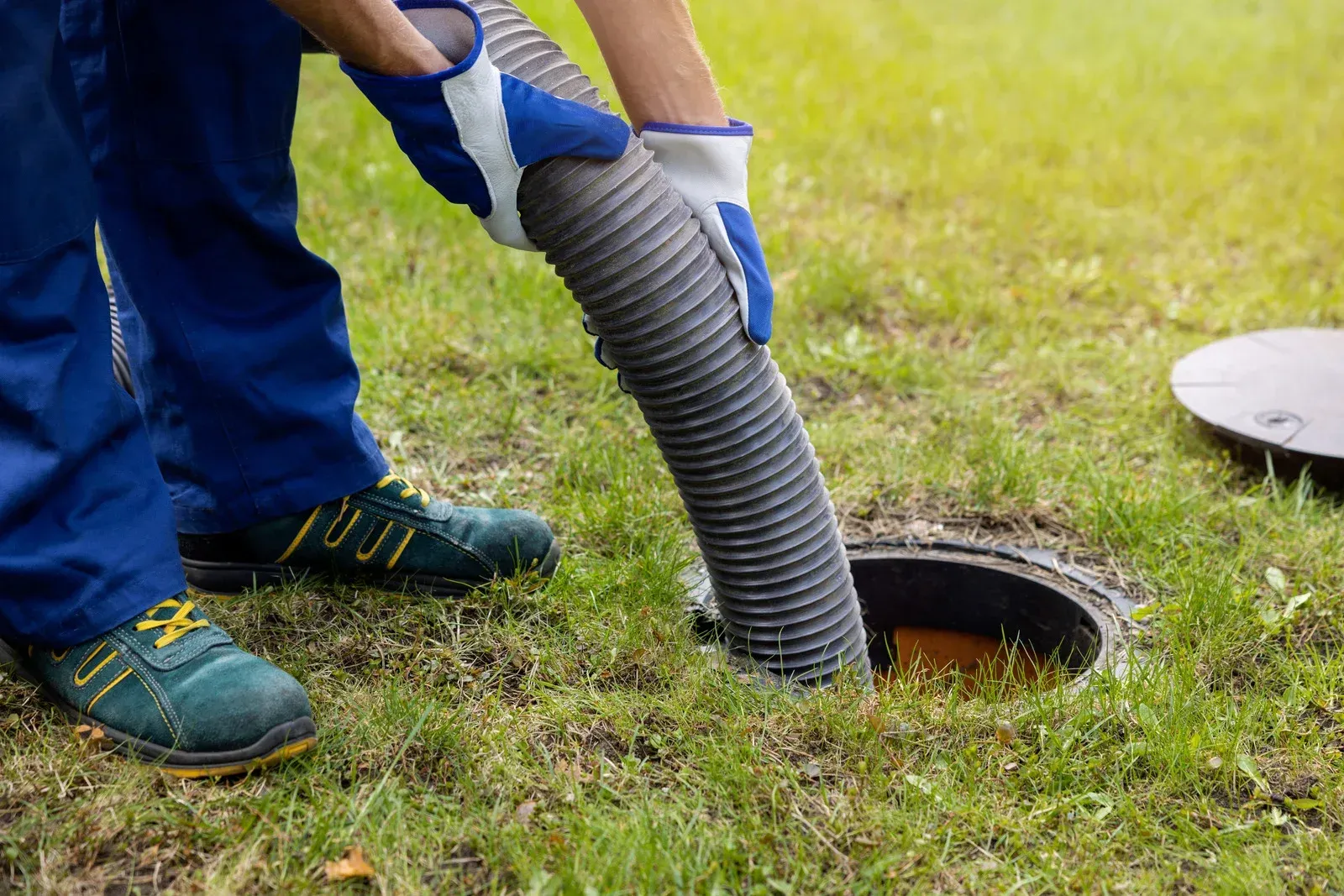
Regular sewer inspections using cameras help detect issues early. Hydro-jetting and trenchless pipe replacement are modern solutions that minimize disruption. Avoid flushing non-degradable items to reduce the risk of clogs and maintain overall system health.
8. Faucet Corrosion and Pipe Rust
Identifying Corrosion
Corrosion in faucets and pipes can lead to leaks, water discoloration, and reduced water quality. Rust often develops in older homes with iron or steel plumbing systems.
Implications
Corroded pipes may fail over time, causing leaks and potential water contamination. Rusty water can stain fixtures and laundry, impacting both aesthetics and safety.
Preventive Measures
Installing water softeners, using corrosion-resistant materials, and performing regular inspections can prevent significant damage. Replacing old plumbing with modern materials such as PEX or copper improves longevity and water quality.
9. Sump Pump Failure
Role of the Sump Pump
A sump pump is essential for homes in flood-prone areas, preventing basement flooding and water damage. Failure can occur due to power outages, mechanical defects, or excessive debris clogging the system.
Warning Signs
Signs of malfunction include unusual noises, irregular pumping, and water accumulation in the sump pit. Testing the pump periodically ensures readiness during heavy rain.
Maintenance and Expert Tips
Regular cleaning of the pit, inspection of the float switch, and battery backup installation enhance reliability. Proactive maintenance prevents costly basement water damage and protects home foundations.
10. Water Line Leaks
Common Causes
Leaks in water supply lines often result from corrosion, loose fittings, or ground movement. These leaks may remain hidden behind walls or under floors, making early detection challenging.
How to Detect
Signs include unexplained high water bills, damp spots on walls or floors, and low water pressure. Installing leak detection devices or smart meters can provide early warnings.
Solutions and Preventive Measures
Timely repair or replacement of damaged lines prevents structural damage and mold growth. Routine inspections and system upgrades, especially in older homes, reduce the likelihood of emergency situations.
Reliable Services Backed by Years of Plumbing Expertise
Understanding common plumbing problems is essential for every homeowner seeking to maintain a functional and safe household. Issues such as leaky faucets, clogged drains, running toilets, water heater malfunctions, and sewer line problems are more than mere inconveniences—they can lead to property damage, health risks, and increased expenses if left untreated. By recognizing warning signs early, implementing preventive measures, and scheduling regular inspections, homeowners can reduce the frequency and severity of plumbing issues. Proactive maintenance not only extends the life of plumbing systems but also ensures efficient water usage, lower utility costs, and a more comfortable living environment.
For residents of Columbiaville and Otisville, Michigan, Sinks & Sewers LLC
offers trusted,
expert plumbing services
backed by 20
years of experience. Our family-oriented approach combines professional expertise, thorough diagnostics, and personalized solutions tailored to your home’s needs. From routine maintenance to emergency repairs, we prioritize reliability, quality workmanship, and transparent communication. Whether addressing minor leaks or complex sewer issues, Sinks & Sewers LLC
delivers lasting results with integrity and care. Homeowners can rely on us to protect their property, maintain system efficiency, and provide peace of mind through professional plumbing services that stand the test of time.