Septic System Maintenance: Essential Tips for Homeowners
A properly maintained septic system is essential for the health of your home, the environment, and your wallet. Neglecting routine care can lead to costly repairs, system failures, and contamination of groundwater. Homeowners who take proactive measures to maintain their septic systems can extend their lifespan and ensure they function efficiently.
Septic systems work by breaking down waste and filtering water through a drain field. Over time, solids accumulate, and if not properly managed, they can lead to blockages or system failure. To avoid such issues, homeowners must understand the key aspects of septic system maintenance.
1. Schedule Regular Pumping and Inspections
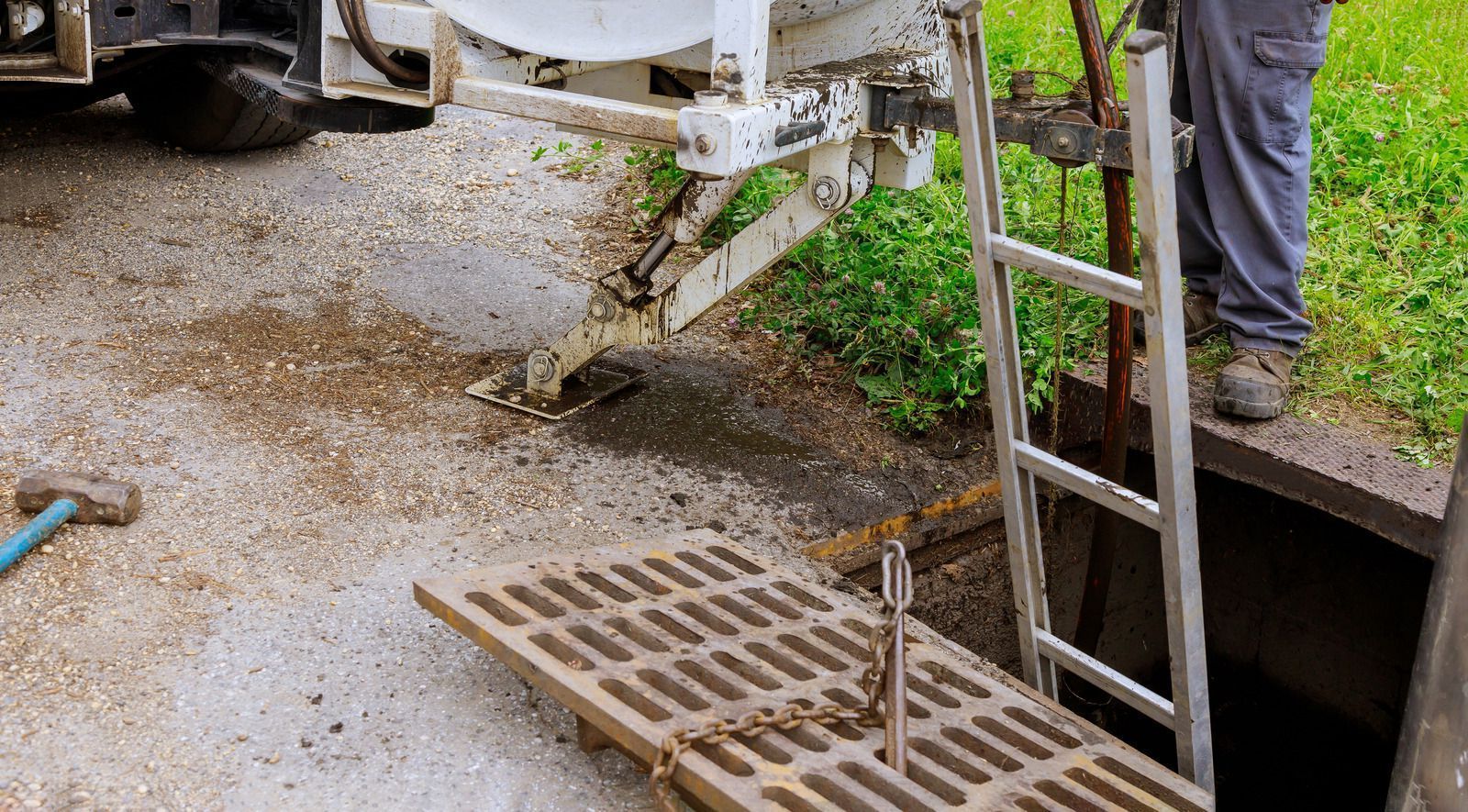
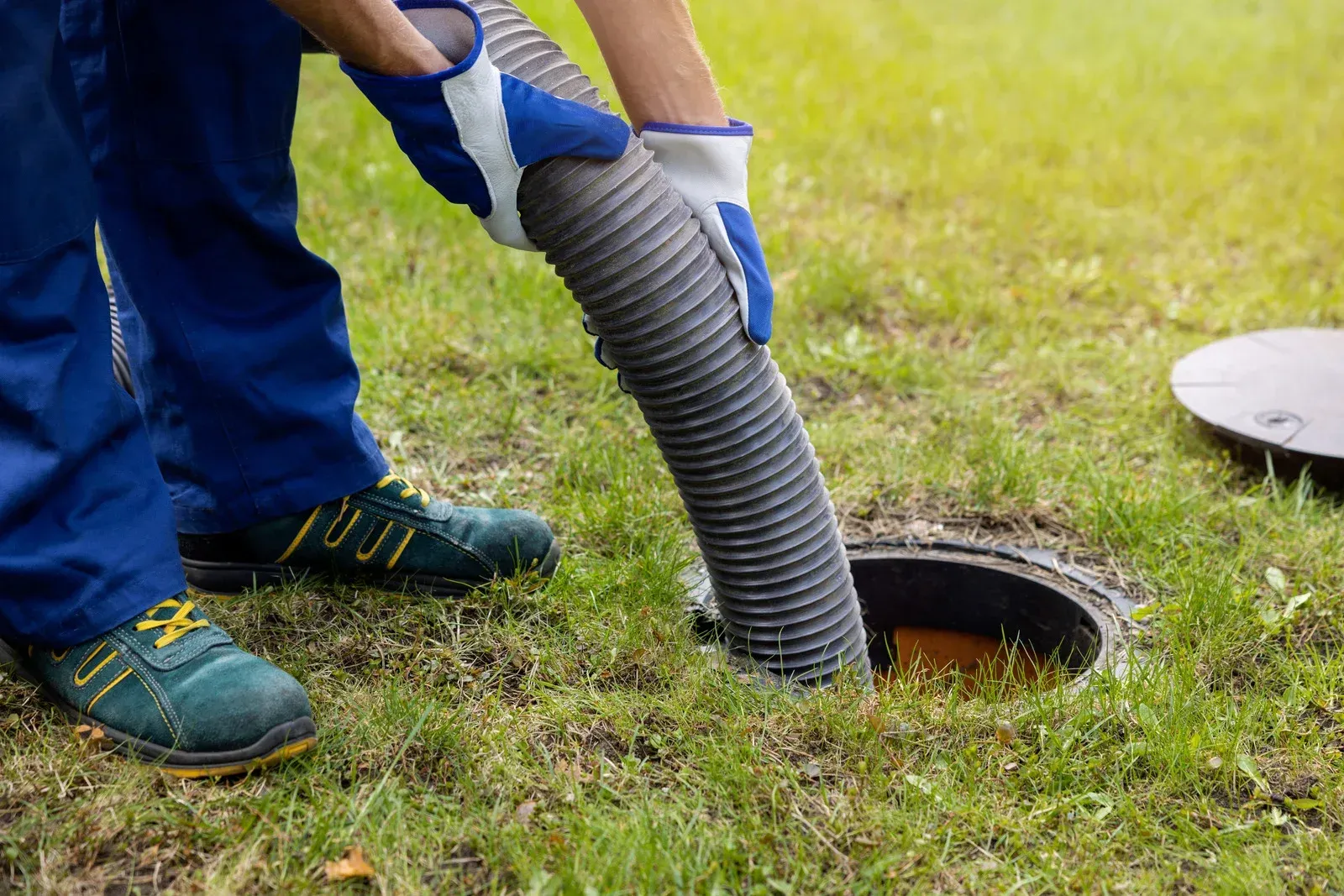
One of the most crucial steps in septic system maintenance is regular pumping. Over time, solids accumulate in the septic tank, and if left unchecked, they can clog the drain field or cause backups. Homeowners should have their septic tanks pumped every three to five years, depending on household size and water usage. Additionally, professional inspections can identify potential issues before they become costly problems.
2. Be Mindful of What Goes Down the Drain
Septic systems rely on bacteria to break down waste efficiently. Flushing non-biodegradable materials, grease, harsh chemicals, or excessive food waste can disrupt this balance. Homeowners should avoid disposing of items like baby wipes, paper towels, cooking oil, and chemical cleaners through their drains. Using septic-safe toilet paper and environmentally friendly cleaning products can help maintain system efficiency.
3. Conserve Water to Reduce System Strain
Excessive water usage can overwhelm a septic system, preventing solids from settling and increasing the risk of drain field saturation. Simple water conservation habits, such as fixing leaks, using high-efficiency appliances, and spreading out laundry loads, can reduce the strain on the system. Installing low-flow toilets and showerheads can further help in minimizing water consumption.
4. Protect the Drain Field
The drain field is a vital part of the septic system, as it filters and disperses wastewater into the soil. To maintain its functionality, homeowners should avoid driving or parking heavy vehicles on the area, as this can compact the soil and damage pipes. Additionally, planting trees or shrubs too close to the drain field can lead to root intrusion, which can clog or break pipes. Keeping the area clear and ensuring proper drainage are essential for long-term septic health.
Septic system maintenance is an ongoing responsibility that requires attention to pumping schedules, mindful water usage, and proper waste disposal. By following these essential tips, homeowners can prevent costly repairs and ensure their septic system operates efficiently for years to come.
Sinks & Sewers LLC
offers
professional plumbing services, including septic system maintenance, in Columbiaville and Otisville, Michigan. With 20
years of experience, our skilled team ensures that homeowners receive expert inspections, pumping, and repair services. Trust Sinks & Sewers LLC to keep your septic system running smoothly and efficiently.